@carlo43
Profil
Registrerad: för 6 timmar
Healing Minds Through Words: Navigating Writing Challenges in Nursing Education Nursing education is a complex interplay of science, compassion, and critical thinking. Students best nursing writing services are trained to care for patients with precision, empathy, and clinical expertise. They learn to monitor vital signs, administer medications, develop care plans, and respond to urgent health scenarios. Yet, alongside these tangible skills lies a less visible but equally essential requirement: academic writing. Nursing students are tasked with translating their practical knowledge and clinical reasoning into structured, evidence-based assignments. From care plans and research papers to reflective journals and capstone projects, the writing demands are rigorous, detailed, and inextricably linked to professional development. Understanding these challenges is critical for students, educators, and support services alike, as writing proficiency directly impacts both academic success and future clinical competency. The dual nature of nursing education creates a unique pressure point. Students must excel in hands-on clinical skills while also mastering scholarly communication. Unlike programs that focus solely on classroom learning, nursing curricula integrate extensive clinical rotations, lab simulations, lectures, and exams. This combination places significant demands on students’ time, energy, and cognitive resources. While clinical training emphasizes rapid decision-making and situational awareness, academic writing requires methodical reasoning, organization, and articulation of complex ideas. This transition—from bedside intuition to structured written expression—is one of the most challenging aspects of nursing education. One major source of difficulty is the breadth and complexity of content. Nursing students must integrate knowledge from anatomy, physiology, pharmacology, pathophysiology, ethics, and leadership into coherent written work. Assignments often require synthesis of multiple sources, critical analysis, and evidence-based justification. For example, care plan assignments demand that students assess a patient, identify nursing diagnoses, create measurable goals, recommend interventions, and justify choices with research evidence. While clinical judgment informs decisions, translating that intuition into structured academic language requires distinct cognitive and linguistic skills. Evidence-based practice (EBP) amplifies the complexity of nursing writing. Modern healthcare emphasizes interventions grounded in the latest research, and nursing students are expected to demonstrate proficiency in sourcing, evaluating, and integrating scholarly literature. Literature reviews, research papers, and case studies require students to identify relevant studies, interpret methodologies and results, and synthesize findings into coherent arguments. Many students, particularly those entering nursing for its patient-focused aspects, find this rigorous engagement with research challenging. Understanding how to critically appraise studies, recognize limitations, and apply findings to patient care is a skill developed over time with guidance and practice. Reflective writing is another challenging area. Students are often asked to explore ethical dilemmas, personal responses to clinical situations, or growth in professional competence. Balancing introspection with academic rigor can be difficult. Writing must be organized, articulate, and tied to theoretical frameworks, while still preserving personal voice and insight. Many students struggle to navigate this balance, leading to assignments that feel either overly mechanical or insufficiently structured. Support in reflective writing helps students express professional growth authentically while meeting academic expectations. Time management is a pervasive factor influencing writing challenges. Nursing students nursing essay writer frequently juggle clinical rotations that extend eight to twelve hours, coursework, exams, and personal responsibilities. Assignments are often due during or immediately following intensive clinical blocks. Fatigue and cognitive load can hinder clarity of thought, reducing the quality of written work and increasing stress levels. Structured strategies, such as breaking assignments into smaller tasks, creating timelines, and prioritizing writing sessions, can alleviate these pressures. Writing support services also help students work efficiently, providing scaffolds for organization, content structuring, and citation management. Formatting and style requirements present additional obstacles. Nursing programs often require adherence to American Psychological Association (APA) guidelines, including proper in-text citations, reference lists, and document formatting. Even minor errors in style can negatively affect grades, adding to student stress. Many learners also struggle with the integration of tables, figures, and appendices, which are often critical for presenting clinical data. Professional guidance and tools that ensure APA compliance can reduce this technical burden, allowing students to focus on analysis and content quality. Language proficiency further complicates the writing landscape. International students or learners for whom English is a second language may have strong clinical knowledge but encounter difficulty expressing ideas formally. Nuances in grammar, academic tone, and vocabulary can obscure meaning, even when the underlying understanding is robust. Similarly, returning students or second-career learners may be out of practice with academic conventions, needing orientation to contemporary writing standards. Targeted support, such as tutoring, workshops, or writing services, addresses these gaps, fostering equity and enabling all students to succeed. Research-based assignments, particularly capstone projects, represent the apex of writing complexity in nursing programs. These comprehensive tasks require topic selection, systematic literature review, proposal of interventions, and evaluation of outcomes. Students must demonstrate mastery of both content knowledge and academic communication. Guidance through structured writing support enables learners to approach these projects methodically, dividing them into manageable steps and reducing overwhelm. Such support may include feedback on drafts, model outlines, and suggestions for integrating research into practice-based arguments. The cognitive and emotional demands of academic writing intersect with the psychological pressures inherent in nursing education. Exposure to suffering, ethical dilemmas, and high-stakes clinical decisions contributes to stress and fatigue. Academic assignments can exacerbate this burden, particularly when deadlines are tight or expectations are unclear. Writing support, peer collaboration, and faculty mentorship provide reassurance and structure, helping students develop confidence and resilience. Professional writing services have emerged as critical resources in this context. Ethical services emphasize collaboration, feedback, and skill development rather than substitution. Editing, formatting assistance, and guidance in integrating evidence-based research help students produce polished work while maintaining academic integrity. Through these services, students can focus on developing analytical thinking and professional articulation, learning strategies that extend beyond individual assignments. Peer collaboration is another effective solution. Study groups, peer reviews, and nurs fpx 4905 assessment 5 collaborative drafting sessions foster shared learning, accountability, and critical evaluation. Students benefit from diverse perspectives, gain insights into their own writing patterns, and normalize the challenges of nursing academic writing. Mentorship from faculty or experienced students further reinforces skill development and confidence. Technological tools enhance the efficiency and accessibility of writing support. Citation management software streamlines referencing, grammar-checking applications improve clarity, and online platforms enable real-time interaction with tutors or editors. These tools complement, rather than replace, critical thinking and discipline-specific analysis. Leveraging technology allows students to manage complex assignments more effectively while adhering to professional standards. Faculty guidance remains essential. Clear instructions, exemplars, detailed rubrics, and timely feedback demystify expectations and improve outcomes. Constructive critiques encourage iterative improvement, transforming writing assignments from stressful obligations into opportunities for skill development. Encouraging dialogue about writing challenges reduces stigma and fosters a culture of academic support. Mindset and strategy play critical roles in overcoming writing challenges. Viewing writing as a process that evolves through drafting and revision encourages persistence and reduces anxiety. Breaking assignments into stages—research, outline, draft, revision, and proofreading—helps students maintain progress and quality. Incremental improvement over time builds competence, confidence, and resilience. Self-care practices are also integral to success. Writing while fatigued, stressed, or emotionally depleted reduces coherence and effectiveness. Adequate rest, balanced nutrition, exercise, and mindfulness practices support cognitive functioning, focus, and productivity. Students who prioritize personal well-being alongside academic responsibilities are better positioned to meet rigorous writing expectations. The rise of accelerated BSN programs intensifies these challenges. Condensed timelines and simultaneous coursework increase pressure, making structured support indispensable. Writing services, time management strategies, and peer or faculty guidance provide essential scaffolding that enables students to balance demanding schedules while maintaining high standards of academic performance. Ultimately, the challenges nursing students face in academic writing are multifaceted, encompassing content complexity, evidence integration, reflective practice, formatting, time management, and psychological factors. Addressing these challenges proactively is crucial for academic success and professional development. Structured support, targeted guidance, and strategic planning help students translate clinical intuition into coherent, evidence-based nurs fpx 4065 assessment 6 writing. This process strengthens analytical reasoning, communication skills, and professional competence. Academic writing in nursing is not merely an academic exercise; it mirrors the precision, clarity, and accountability required in clinical practice. Effective writing translates into accurate documentation, interdisciplinary communication, and advocacy for patient care. Students who master these skills are better prepared to navigate professional responsibilities, engage in research, and contribute to healthcare improvement initiatives. In conclusion, nursing students face distinctive challenges in academic writing due to the integration of clinical demands, evidence-based practice, and scholarly expectations. Struggles with content synthesis, research analysis, reflective writing, formatting, and time management create a substantial pressure point in BSN programs. Support mechanisms, including professional writing services, peer collaboration, faculty mentorship, technological tools, and strategic planning, provide effective solutions. By leveraging these resources, students not only manage academic overload but also cultivate skills essential for professional excellence. Understanding and addressing the challenges of nursing academic writing ensures that students can navigate the complex demands of their education, transforming pressure into proficiency and preparing for a career defined by both clinical competence and articulate, evidence-informed communication.
Forum
Ämnen startade: 0
Svar skapade: 0
Forumroll: Deltagare
Senaste diskussionerna
-
Solen 2026-03-04
tråd av
Hans H
-
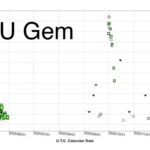
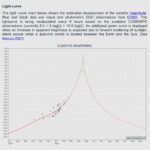
U Gem
svar av
timokarhula
-
Aktuell solaktivitet
svar av
Hans Bengtsson
-
NGC 2841
tråd av
Peter Folkesson
-
NGC 1931 LRGB+Ha
tråd av
Peter Folkesson
-
Abell 16
tråd av
amv8vantage
-
Abell 6
tråd av
amv8vantage
-
Astroöl i Lund
svar av
Fredrik Silow
-
NGC 3726
tråd av
Gabriel Wiklund
-
Polstjärnan
tråd av
Bergquist Christian
-
NGC 4490 & 4485
tråd av
Gabriel Wiklund
-
Orions bälte
svar av
Gabriel Wiklund
-
V0718 Tau
svar av
Tomas Wikander
Månadens bild i galleriet
Årets bild i galleriet
Senaste bilderna i forumet
Senaste nytt från SAAF-webben
- Årsmöte i SAAF – 16 april 2026
- Vårhimlens pärlor – observationskafé med SAAF, 25 februari
- Leoträffen — ny observationsträff med SAAF, 10–11 april på Öland
- Årets första variabelmöte 12 mars – välkommen alla SAAF-medlemmar
- Värmland Star Party 2026
- Apertur blir SAAF:s nya medlemstidskrift!
- Telescopium nummer 4 2025 snart ute – 93:e och sista numret!
- Observationsbeställningar – nytt sätt att ta bilder med fjärrteleskopet
- Telescopium nr 3 2025 ute snart!
- Årsmöte 2025

Kalendariet
Antal unika dagsbesökare (unika IP)
Idag: 1 st
Senaste 7 dagarna: 273 st
Senaste 30 dagarna: 1123 st