• Hem
  • SAAF
  • Bildgalleriet
  • Kalendariet
  • Registrera användare
  • Logga in
Skip to content
  • Hem
  • SAAF
  • Bildgalleriet
  • Kalendariet
  • Registrera användare
  • Logga in

  • Hem
  • SAAF
  • Bildgalleriet
  • Kalendariet
  • Registrera användare
  • Logga in

carlo42

  • Profil
  • Startade ämnen
  • Skapade svar
  • Deltagande
  • Favoritmarkeringar

@carlo42

Profil

Registrerad: för 6 timmar

Strain and Strategy: How BSN Students Navigate Academic Overload Through Writing Support Earning a Bachelor of Science in Nursing (BSN) is widely recognized as both a rigorous and BSN Writing Services transformative journey. Nursing students are required to balance intense clinical training, demanding coursework, and an evolving understanding of patient care, all while developing professional competencies that will serve them for a lifetime. Yet amidst the structured rotations, simulations, and practical assessments lies an often-overlooked pressure point: academic writing. From care plans to literature reviews, research papers, and reflective journals, writing requirements impose additional layers of complexity on an already demanding curriculum. For many BSN students, these expectations contribute to academic overload, fatigue, and anxiety. In response, writing support services and structured strategies have emerged as essential tools for managing workload, enhancing skills, and maintaining both academic performance and personal well-being. Nursing education is inherently multidimensional, requiring students to integrate clinical skills, theoretical knowledge, and evidence-based practice. Unlike programs that focus primarily on classroom learning, nursing students spend substantial portions of their education in real-world clinical settings. They learn to assess patients, administer treatments, respond to emergencies, and communicate with multidisciplinary teams. Simultaneously, academic expectations demand critical thinking, research literacy, and proficient writing. Assignments such as case studies, care plans, research papers, and capstone projects assess not only knowledge but also the ability to analyze data, interpret research, and communicate findings clearly. The combination of clinical responsibilities and academic writing creates a pressure point that is both mental and temporal. Nursing students often report long days that begin with early clinical rotations and end with hours of study, assignment completion, and exam preparation. This intensive schedule leaves little margin for error or delay. Fatigue and time constraints directly impact writing performance, making the production of coherent, evidence-based papers more challenging. Students may understand concepts deeply yet struggle to express them effectively in writing due to cognitive overload or lack of structured guidance. Care plans illustrate the complexity of academic writing in nursing. While these assignments may appear straightforward—assess, diagnose, plan, intervene, evaluate—they require precise reasoning and detailed documentation. Every intervention must be justified with evidence-based rationale, goals must be measurable and appropriate, and assessments must reflect accurate clinical understanding. Translating intuitive decision-making from bedside experience into structured written analysis is a skill that develops gradually and often benefits from guidance. Writing services provide scaffolding, feedback, and model examples that help students articulate their reasoning with clarity and rigor. Research assignments further heighten the challenge. BSN students are frequently required to conduct literature reviews, develop research proposals, and analyze data. Evidence-based practice mandates that students locate credible peer-reviewed studies, interpret findings, evaluate methodologies, and synthesize results in a coherent, persuasive manner. For students who entered nursing motivated primarily by patient care, the emphasis on academic nursing paper writing service research can be unfamiliar and stressful. Structured writing support helps students navigate databases, identify relevant sources, and organize complex information into logical narratives. Capstone projects represent one of the most significant academic pressure points in BSN programs. These comprehensive assignments integrate knowledge from multiple courses, clinical experiences, and research. Students are expected to define a clinical problem, conduct an extensive literature review, propose interventions, and evaluate outcomes. The multi-stage nature of capstones—topic selection, research, drafting, revision, and presentation—requires sustained focus and effective time management. Writing services assist by providing frameworks, outlines, and revision feedback, enabling students to approach large projects methodically and with confidence. Time management remains a persistent challenge. Nursing students frequently balance part-time work, family responsibilities, and multiple courses simultaneously. Deadlines may converge, resulting in overlapping assignments and heightened stress. Writing support services and structured study strategies mitigate these challenges by streamlining the writing process, offering step-by-step guidance, and providing clarity on expectations. By reducing uncertainty, students can allocate cognitive resources to both learning and clinical application rather than being overwhelmed by process-related stress. Language proficiency and communication skills also contribute to academic overload. International students or those for whom English is a second language may understand clinical concepts well yet struggle to articulate ideas formally. Similarly, students returning to academia after professional experience may need orientation to current scholarly conventions, including APA formatting, academic tone, and logical organization. Targeted writing support addresses these gaps, promoting equity and enabling all students to demonstrate knowledge effectively. Formatting and technical requirements compound pressure. Nursing programs typically enforce strict adherence to APA style, including accurate in-text citations, reference lists, headings, and tables. Minor errors can lead to grade reductions, even when content is strong. Learning to navigate these requirements while managing research, clinical responsibilities, and deadlines adds an additional layer of stress. Professional writing guidance ensures technical nurs fpx 4015 assessment 2 compliance, allowing students to focus on substance rather than minutiae. Reflective writing assignments, designed to promote professional growth and self-awareness, present additional challenges. Students must analyze clinical experiences, assess ethical dilemmas, and connect personal insight to theoretical frameworks. Balancing introspection with scholarly structure requires skill and guidance. Writing centers, mentors, or structured templates help students articulate reflections in a coherent, academically appropriate manner, ensuring that personal learning is effectively communicated. The psychological dimension of academic overload cannot be overstated. High stress, anxiety, and burnout are common among BSN students. Academic writing, particularly under tight deadlines or with complex assignments, can exacerbate these pressures. Procrastination, perfectionism, and self-doubt often arise, negatively impacting both performance and well-being. Access to structured guidance, timely feedback, and supportive resources provides reassurance and reduces cognitive load, allowing students to engage with content more effectively. Professional writing services offer a spectrum of support, from editing and proofreading to scaffolding, feedback, and guidance on APA compliance. Ethical use of these services emphasizes learning and skill development rather than substitution. Students who actively engage with feedback and revisions gain transferable skills, improve writing proficiency, and increase confidence. Responsible engagement with writing support can be a vital component of managing academic overload while maintaining integrity. Peer collaboration and mentorship also mitigate pressure. Study groups, peer reviews, and collaborative drafting sessions allow students to share strategies, provide feedback, and normalize challenges. These interactions reduce isolation, foster problem-solving, and cultivate a culture of collective learning. Structured group work complements individualized writing support, creating a comprehensive network of academic assistance. Technological tools further aid in managing workload. Citation management software simplifies references, grammar-checking applications reduce errors, and online platforms facilitate interaction with tutors or editors. Leveraging these resources enhances efficiency, reduces redundant effort, and supports compliance with academic standards. Faculty guidance is equally important. Clear instructions, detailed rubrics, and exemplars nurs fpx 4065 assessment 4 reduce ambiguity and help students prioritize tasks. Constructive feedback encourages iterative improvement, transforming assignments from one-off challenges into opportunities for skill development. Instructors who acknowledge the realities of student workload and provide scaffolding contribute directly to reducing academic stress. Mindset and strategic planning are essential. Viewing writing as an iterative process, breaking assignments into manageable segments, and prioritizing tasks based on deadlines enable students to maintain focus and reduce overwhelm. Regular practice, combined with incremental progress, strengthens proficiency and confidence over time. Self-care strategies are integral to managing academic pressure. Adequate rest, nutrition, physical activity, and mindful breaks enhance focus, energy, and cognitive functioning. Students who attempt to write under fatigue or emotional strain are likely to experience reduced clarity and increased frustration. Balancing personal well-being with academic responsibility is a critical skill for sustained success. The demands of accelerated BSN programs amplify academic overload. Condensed coursework, simultaneous clinical rotations, and tight deadlines require efficient strategies and structured support. Writing guidance services are particularly valuable in these contexts, providing targeted assistance that helps students maintain performance without sacrificing learning outcomes. Ethical considerations remain central. Students must engage actively with resources to preserve academic integrity. Writing support, when used responsibly, enhances skill development and reinforces comprehension, rather than replacing independent effort. Transparency, active participation, and critical reflection are essential to ethical utilization. Ultimately, academic writing in BSN programs is inseparable from professional development. Clear, precise writing supports effective communication, documentation, and patient advocacy. Mastering evidence-based writing enables nurses to participate meaningfully in interdisciplinary teams, quality improvement initiatives, and policy development. Academic assignments thus serve as both evaluation and preparation for professional practice. In conclusion, BSN students confront a significant pressure point at the intersection of nurs fpx 4005 assessment 1 clinical responsibility and academic writing. Intensive coursework, complex assignments, tight deadlines, and psychological stress create a demanding environment. Writing support services, peer collaboration, faculty guidance, technological tools, and strategic self-management provide solutions that mitigate overload while fostering skill development. Addressing these challenges proactively equips nursing students with the proficiency, resilience, and confidence necessary to excel academically and professionally. By recognizing the realities of workload, leveraging available resources, and integrating structured strategies, students can navigate the pressures of nursing education effectively, transforming potential obstacles into opportunities for growth and excellence.      


Forum

Ämnen startade: 0

Svar skapade: 0

Forumroll: Deltagare

Senaste diskussionerna

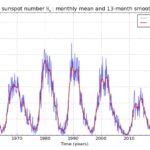
  • Solen 2026-03-04
    tråd av Hans H
  • Betelgeuse, en udda detalj
    tråd av Hans Bengtsson
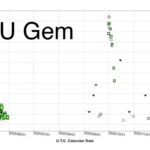
  • U Gem
    svar av timokarhula
  • Supernovan SN2026dix i galaxen NGC 3913
    tråd av Hans Bengtsson
  • Aktuell solaktivitet
    svar av Hans Bengtsson
  • IC 410 Tadpole IC 417 Spider NGC 1931 Fly
    tråd av Mårten Frosth
  • NGC 2841
    tråd av Peter Folkesson
  • NGC 1931 LRGB+Ha
    tråd av Peter Folkesson
  • Abell 16
    tråd av amv8vantage
  • Kometen C/2025 R3 (PANSTARRS)
    svar av Hans Bengtsson
  • Kreutz-kometen C/2026 A1 (MAPS)
    tråd av Hans Bengtsson
  • Abell 6
    tråd av amv8vantage
  • Astroöl i Lund
    svar av Fredrik Silow
  • NGC 3726
    tråd av Gabriel Wiklund
  • Förmörkelsedvärgnovan DV UMa i utbrott
    svar av Hans Bengtsson
  • Polstjärnan
    tråd av Bergquist Christian
  • NGC 4490 & 4485
    tråd av Gabriel Wiklund
  • Orions bälte
    svar av Gabriel Wiklund
  • V0718 Tau
    svar av Tomas Wikander
  • Spektroheliogram H-alfa 26-02-19
    tråd av Hans H

Månadens bild i galleriet

M31 Andromeda (Alex Linde Thomas Hansson)

Årets bild i galleriet

C/2023 A3 (Tsuchinshan- ATLAS) (Andreas Holmström)

Senaste bilderna i forumet

Solen (Hans H)


IC 410 Tadpole IC 417 Spider NGC 1931 Fly (Mårten Frosth)
NGC 2841 (Peter Folkesson)
NGC 1931 (Peter Folkesson)

Abell 16 (Sven Eklund)
Abell 6 (Sven Eklund)

RSS Senaste nytt från SAAF-webben

  • Årsmöte i SAAF – 16 april 2026
  • Vårhimlens pärlor – observationskafé med SAAF, 25 februari
  • Leoträffen — ny observationsträff med SAAF, 10–11 april på Öland
  • Årets första variabelmöte 12 mars – välkommen alla SAAF-medlemmar
  • Värmland Star Party 2026
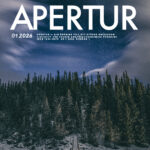
  • Apertur blir SAAF:s nya medlemstidskrift!
  • Telescopium nummer 4 2025 snart ute – 93:e och sista numret!
  • Observationsbeställningar – nytt sätt att ta bilder med fjärrteleskopet
  • Telescopium nr 3 2025 ute snart!
  • Årsmöte 2025

Kalendariet

Variabelsektionen: Årets första möte – välkommen alla SAAF-medlemmar
12 mar 26
Leoträffen 2026 – början på en ny vårtradition!
10 apr 26
Apertur #1 2026
Apertur #1 2026
14 apr 26
SAAF Årsmöte 2026
SAAF Årsmöte 2026
16 apr 26

Antal unika dagsbesökare (unika IP)

Idag: 1 st 

Senaste 7 dagarna: 273 st 

Senaste 30 dagarna: 1123 st 

Logga in

Copyright Nattmolnet 2026 | Theme by ThemeinProgress | Proudly powered by WordPress